Get free quotes from environmental site assessment near you
Takes about a minute. Free, no obligation; providers reply to you directly.
The first time I hired an environmental consultant, I handed over a check and assumed the hard part was over. Six weeks later, I was fielding daily calls asking for utility records I didn’t know existed, scheduling a site visit I didn’t budget time for, and wondering why no one had warned me that “hiring” was really just the beginning of a months-long collaboration.
Nobody tells you that. Most guides stop at “find a qualified firm and get a contract.” They skip the part where you’re actively participating in the project whether you planned to or not.
Here’s what the process actually looks like from first call to final deliverable.
The Short Version:Hiring an environmental consultant takes 7 distinct steps, from identifying your need to receiving your final report. Small projects (like a Phase I ESA) wrap in a few weeks. Large regulatory programs can run years. Your involvement level depends entirely on scope — permits and compliance plans are mostly hands-off; sustainability programs will ask more of you.
Key Takeaways
- Get written proposals from multiple firms before committing — comparing bids is the single easiest way to spot an overpriced or underqualified consultant
- Ask every firm upfront whether they perform work in-house or subcontract it — subcontracting is common, mostly undisclosed, and changes what you’re actually buying
- Expect a site visit; fully remote environmental work is rare
- Define timelines in the contract — not just the deliverable date, but the milestones in between
The 7-Step Process
Step 1: Identify Your Need (Before You Call Anyone)
This sounds obvious. It isn’t. Walk into conversations knowing whether you need a Phase I ESA for a commercial transaction, a compliance audit for an agency notice, a sustainability program, or something else. Your answer shapes everything — which credentials matter, how long the project takes, and how much you’ll pay.
A form review might close in two days. A multi-agency permit or long-term sustainability initiative can span multiple years. Both are “hiring an environmental consultant.” They are not remotely the same engagement.
Step 2: Find Qualified Firms
The Iowa DNR’s hiring guide puts it bluntly: you’re putting your business in someone’s hands, so don’t rely on a single Google search. The most reliable paths are peer referrals, trade associations, and your local Chamber of Commerce. Online searches work, but they surface the loudest marketers, not necessarily the best practitioners.
Make a shortlist of three to five firms. You need comparison data.
Step 3: Request Proposals (Not Just Quotes)
Call each firm and ask for a full project proposal. A real proposal includes qualifications, references, scope of services, and fees. If a firm gives you a number before understanding your situation, that’s a red flag.
During this phase, ask these questions specifically:
| Question | Why It Matters |
|---|---|
| Do you have experience with my business type and pollutants? | Generic experience ≠ relevant expertise |
| Do you know my county’s specific regulations and deadlines? | Local regulatory variance is real and consequential |
| Is the work performed in-house or subcontracted? | Subcontracting is an industry-wide practice — and often undisclosed |
| Who handles day-to-day client communication? | Dedicated support vs. “someone will get back to you” are very different experiences |
| Do you provide both consulting and engineering if needed? | Some projects escalate; knowing this upfront saves switching costs |
Reality Check:Subcontracting is one of the industry’s worst-kept secrets. A firm with impressive credentials may hand your project to a third party you’ve never vetted. Ask directly. If the answer is evasive, keep looking.
Step 4: The Site Visit
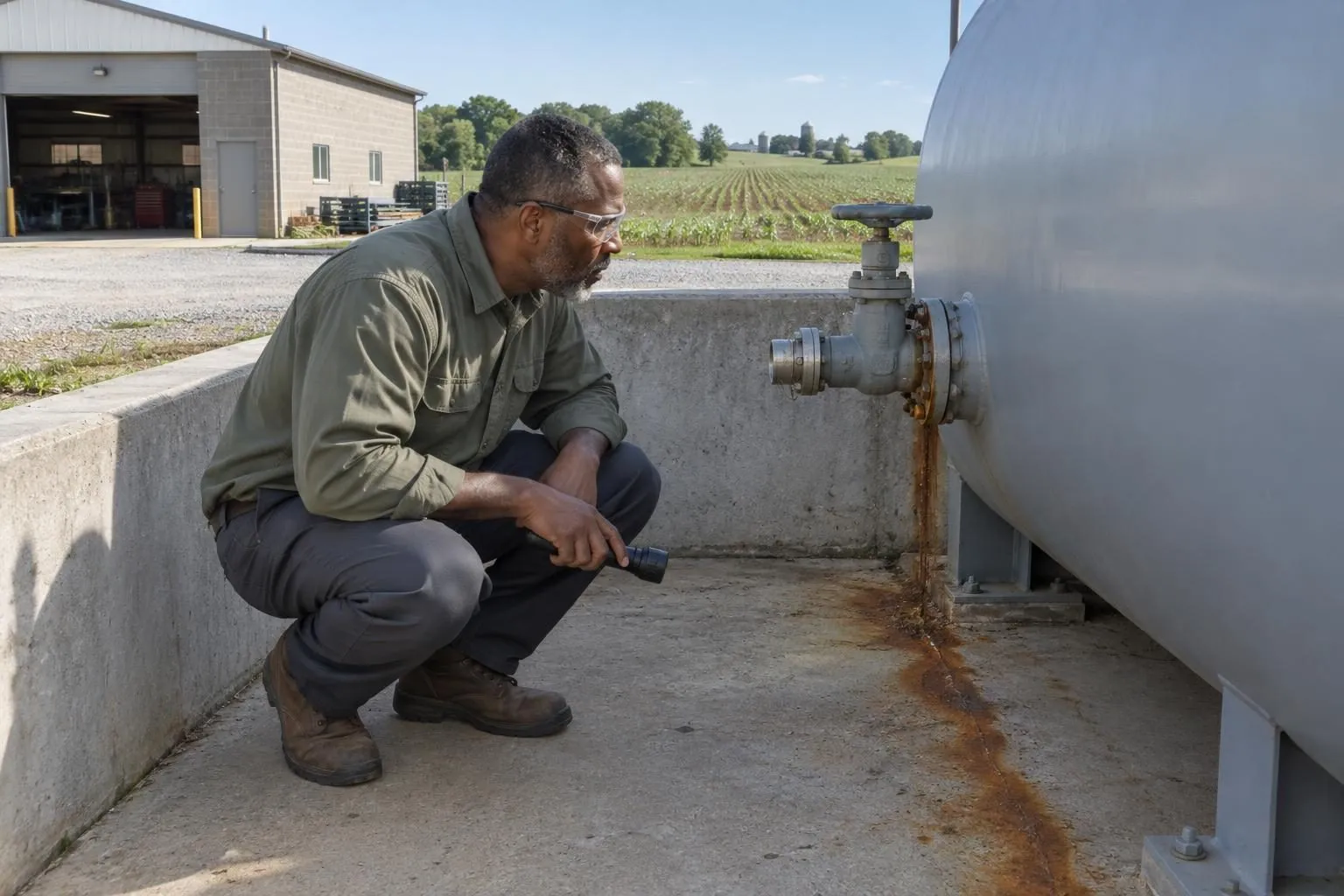
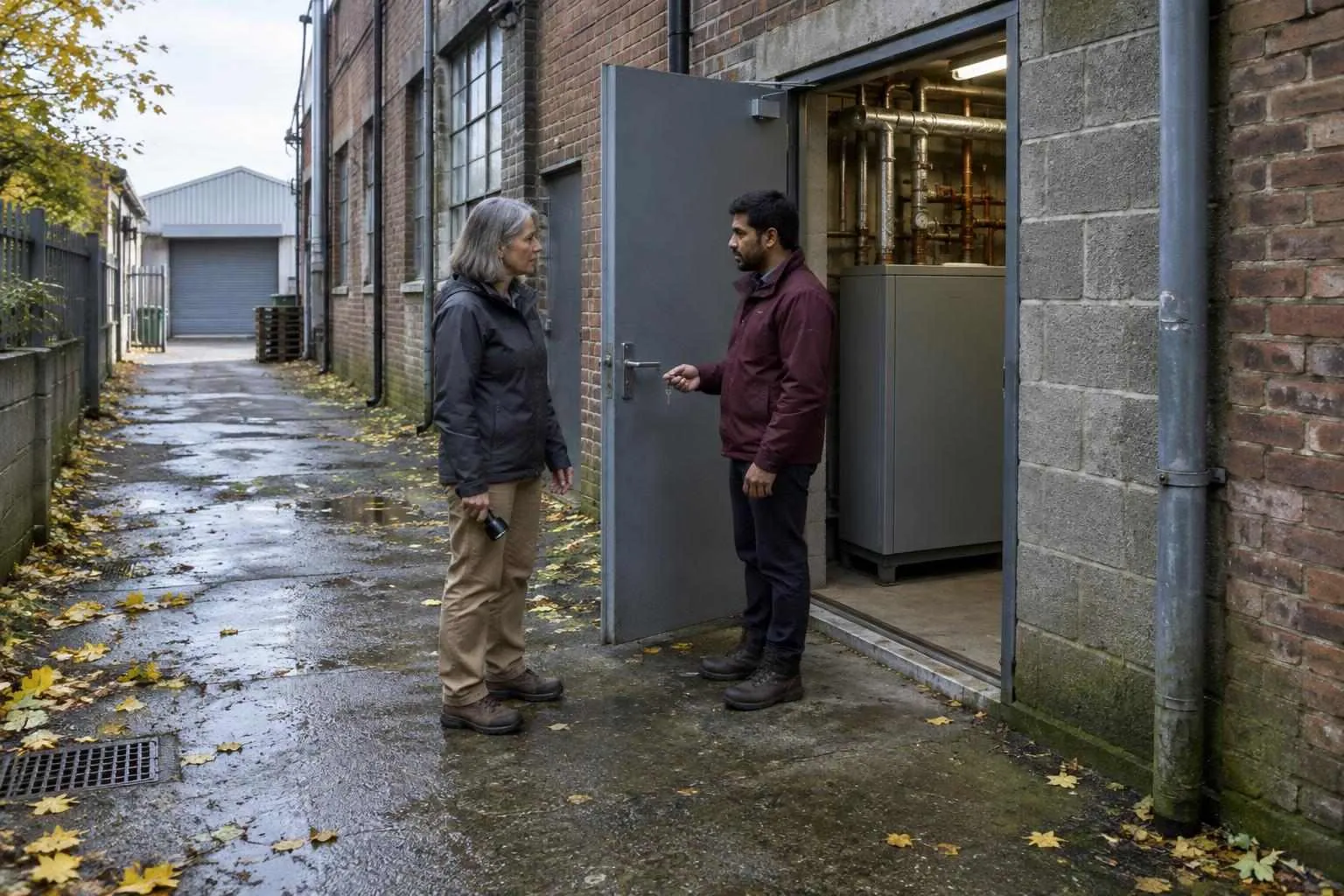
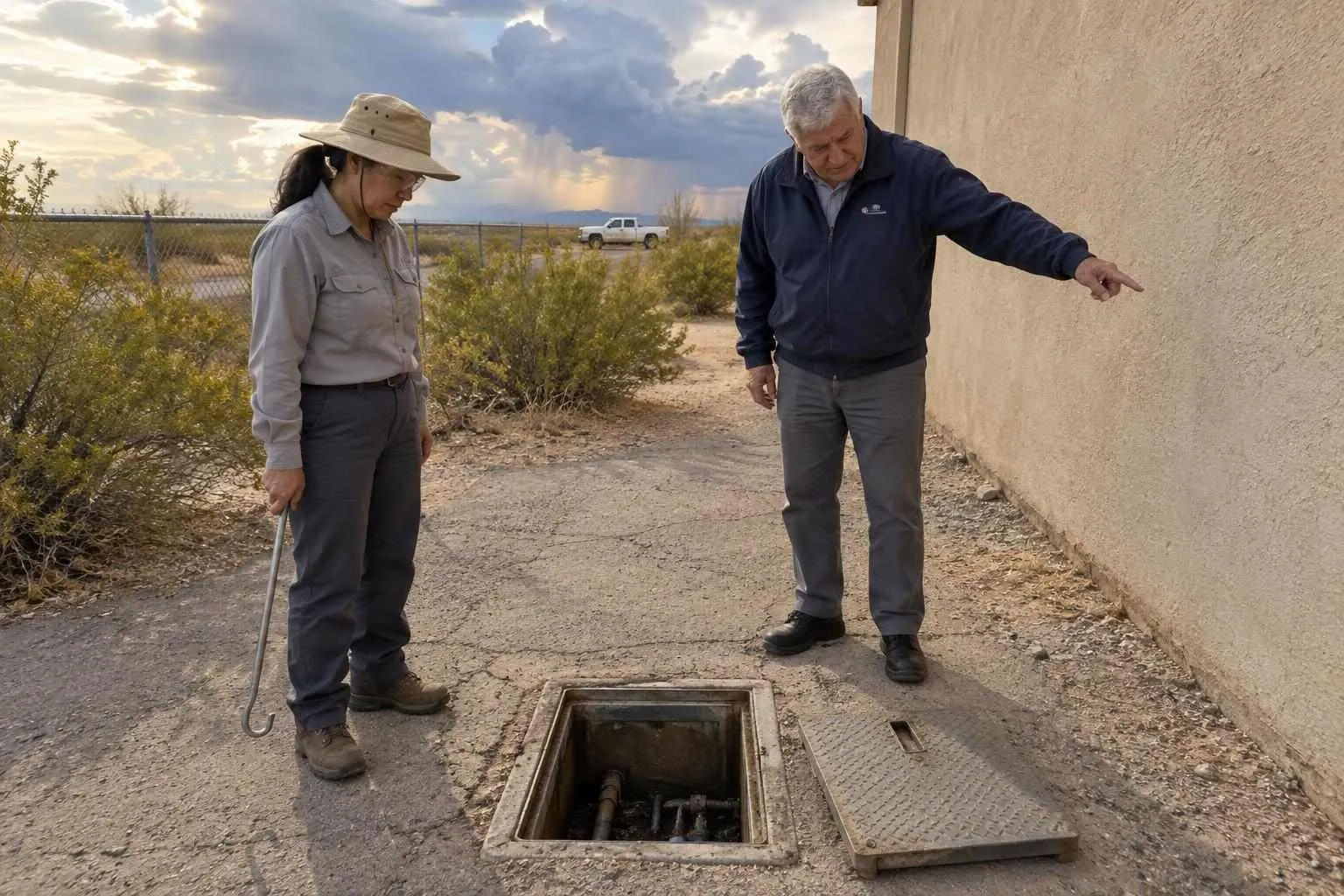
Almost every legitimate environmental engagement begins with an in-person site visit — a walkthrough, photos, questions about operations, a look at what’s actually there. Fully remote assessments are the exception, not the norm, and they’re appropriate only for the most limited scope tasks.
This visit isn’t a formality. It’s where the consultant calibrates their scope. If something unexpected surfaces during the walkthrough, it often changes what they need to do — and what you’ll pay. Show up, be available, and answer honestly.
Step 5: Negotiate and Sign a Written Contract
A handshake deal has no place here. Your agreement — formal contract or engagement letter — should specify:
- Exact tasks and methods
- Milestones and final delivery timeline
- What you’re required to provide (records, site access, historical documents)
- What happens if scope changes mid-project
Small projects have simpler contracts. Multi-year regulatory programs should have detailed ones. The contract is your protection if timelines slip or deliverables fall short.
Pro Tip:If a consultant resists putting timelines in writing, that’s your answer about how they handle accountability.
Step 6: Project Execution — Your Role Varies More Than You Think
Here’s what most people miss: your level of involvement is not fixed, and it’s not always low.
For permits and compliance plans, the model is largely “hand it off.” You provide access, answer questions, deliver records when asked. The consultant does the heavy lifting. Doug Ruhlin at RMA Green frames it this way: done right, compliance shouldn’t become a second full-time job.
For long-term sustainability programs or complex remediation, expect more. You’ll be providing operational data, approving phased decisions, and coordinating internal stakeholders. The consultant is managing a process — but you’re in it.
Either way, assume you’ll need to:
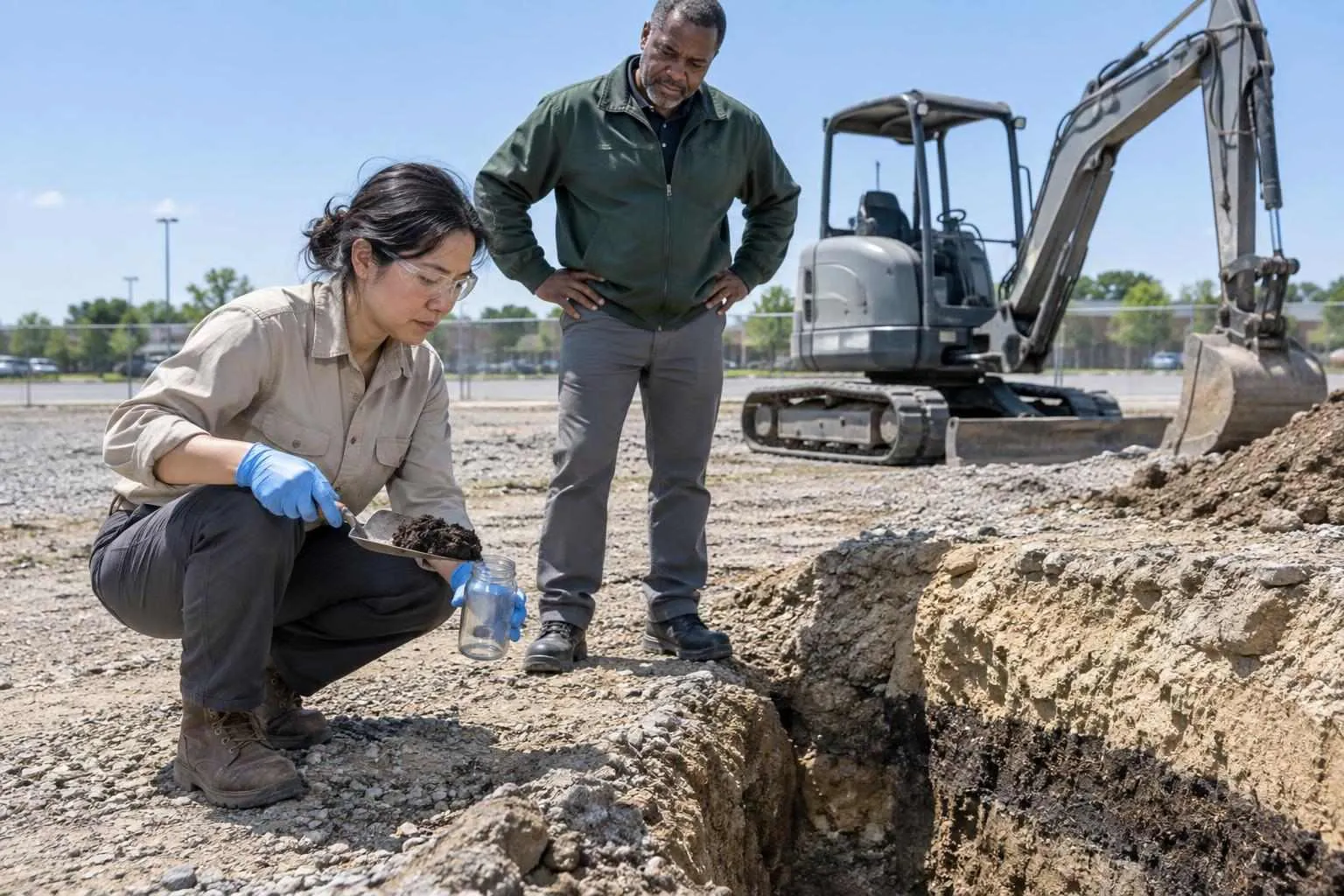
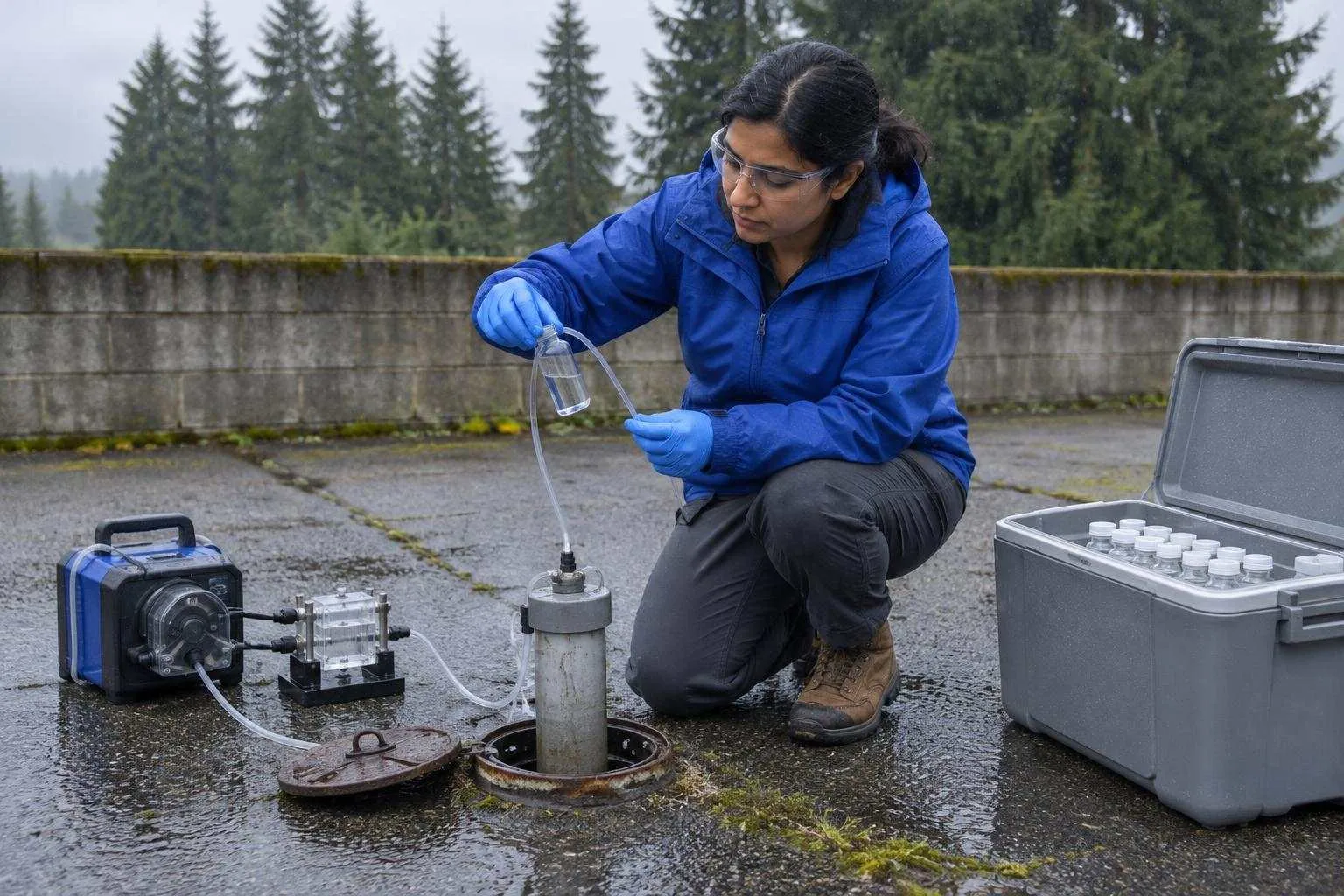
- Provide site access for fieldwork (soil sampling, water testing, air monitoring)
- Locate historical records, prior assessments, or operational documentation
- Respond to data requests on their timeline, not yours
Slow responses from your side cause timeline overruns. The project stalls when you stall.
Step 7: Delivery, Review, and What Comes Next
The final deliverable is typically a technical report — a Phase I ESA under ASTM E1527-21 standards, a compliance plan, or a regulatory filing. Read it before accepting it. If there are recognized environmental conditions (RECs), data gaps, or recommended corrective actions, you need to understand what they mean for your next steps.
For Phase I findings that trigger a Phase II, you’re not done — you’re starting a new engagement. Make sure your contract addresses what happens if scope escalates.
For ongoing programs, establish a communication rhythm at the start. The projects that run smoothly are the ones where both sides set expectations about check-in frequency, not the ones where silence is assumed to mean “on track.”
Practical Bottom Line
The process is more collaborative than most people expect, less mysterious than the jargon makes it sound, and almost always longer than the initial estimate.
Start here: Get three proposals before you commit. Ask the subcontracting question on the first call. Define timelines in writing. Show up to the site visit.
If you’re earlier in your research and still figuring out whether you even need an environmental consultant — and what kind — start with The Complete Guide to Environmental Consultants before you pick up the phone.
Done reading? Get quotes from environmental consultants near you.
Takes about a minute. Free, no obligation; providers reply to you directly.
Popular cities:
Nick built this directory to help developers and lenders find credentialed environmental consultants without wading through firms that also perform remediation — a conflict of interest he encountered firsthand while navigating due diligence on a commercial acquisition.