Get free quotes from environmental site assessment near you
Takes about a minute. Free, no obligation; providers reply to you directly.
It’s early October, and your purchase agreement says closing is mid-April. You tell yourself there’s plenty of time, so the Phase I environmental site assessment (ESA) can wait until diligence “gets going.” Then the deal slips three weeks, the lender asks for a reliance letter, and the report you ordered in November turns out to be older than the closing date allows.
Here’s the timing math that avoids that.
The Short Version: A standard Phase I ESA takes 2-4 weeks from authorization to delivery. Under ASTM E1527-21, it is presumed viable if completed within 180 days before the acquisition date, and the clock starts when the first component is finished. For a spring closing, order it with a 30-day buffer, and don’t start so early that the report expires before the deal closes.
Key Takeaways
- Turnaround: plan on 2-4 weeks. Some firms advertise 10-15 business days for standard commercial work, and complex sites run longer.
- Viability: 180 days before the transaction date. A one-year window exists only if specific components are updated.
- The clock: it starts on the date the first of five components was completed, not the date the report was signed.
- Season: demand peaks in late winter and spring, so the schedule you were quoted in October is not the one you’ll get in March.
The 180-Day Rule, Stated Plainly
ASTM E1527-21 presumes a Phase I ESA viable if it was conducted within 180 days before the acquisition date. For leases and refinancings, the intended transaction date serves as the reference point.
Five components carry their own dates in the report:
- Interviews
- Recorded environmental lien searches
- Government records review
- Site reconnaissance
- The Environmental Professional’s declaration
The clock runs from the first of those to be completed. If the records pull is done on day one and the site visit on day twelve, day one is your start date.
Run the numbers. A Phase I started today, October 6, runs out around April 4. A mid-April closing needs a report whose earliest component is dated no earlier than about October 17. Order too soon, and the report is stale at the table.
Reality Check: The one-year rule is not a free extension. A report can stay usable for up to a year only if those five components are updated, and the updated pieces must still meet the 180-day requirement. That’s a second round of fieldwork and fees, not a rubber stamp.
What the Calendar Looks Like
| Scenario | Typical turnaround | Typical cost |
|---|---|---|
| Standard commercial property | 2-4 weeks (10-15 business days at some firms) | $2,200-$5,000 |
| Rush assignment | Days to about a week, where offered | Premium on top of base fee |
| Industrial, brownfield, large acreage | Longer than standard | $6,000-$15,000+ |
Provider pricing bears this out. One Albuquerque firm publishes a starting price of $2,100 for a standard commercial property and $3,100 for a rush job completed in 1-3 days. That’s roughly a $1,000 premium for speed. You can avoid paying it with an earlier order.
Costs are covered in more depth in How Much Does an Environmental Consultant Cost?.
Why Spring Is the Squeeze
Commercial sales, financing, and development activity ramp up ahead of spring and summer closings. Weather also improves site access, so fieldwork bunches up at the same time. More assignments means slower site visits, slower records pulls, slower interviews, and slower report review.
Nobody tells you this: the consultant who quoted two weeks in October may be quoting four in March. Lock your slot before the rush.
Region by Region
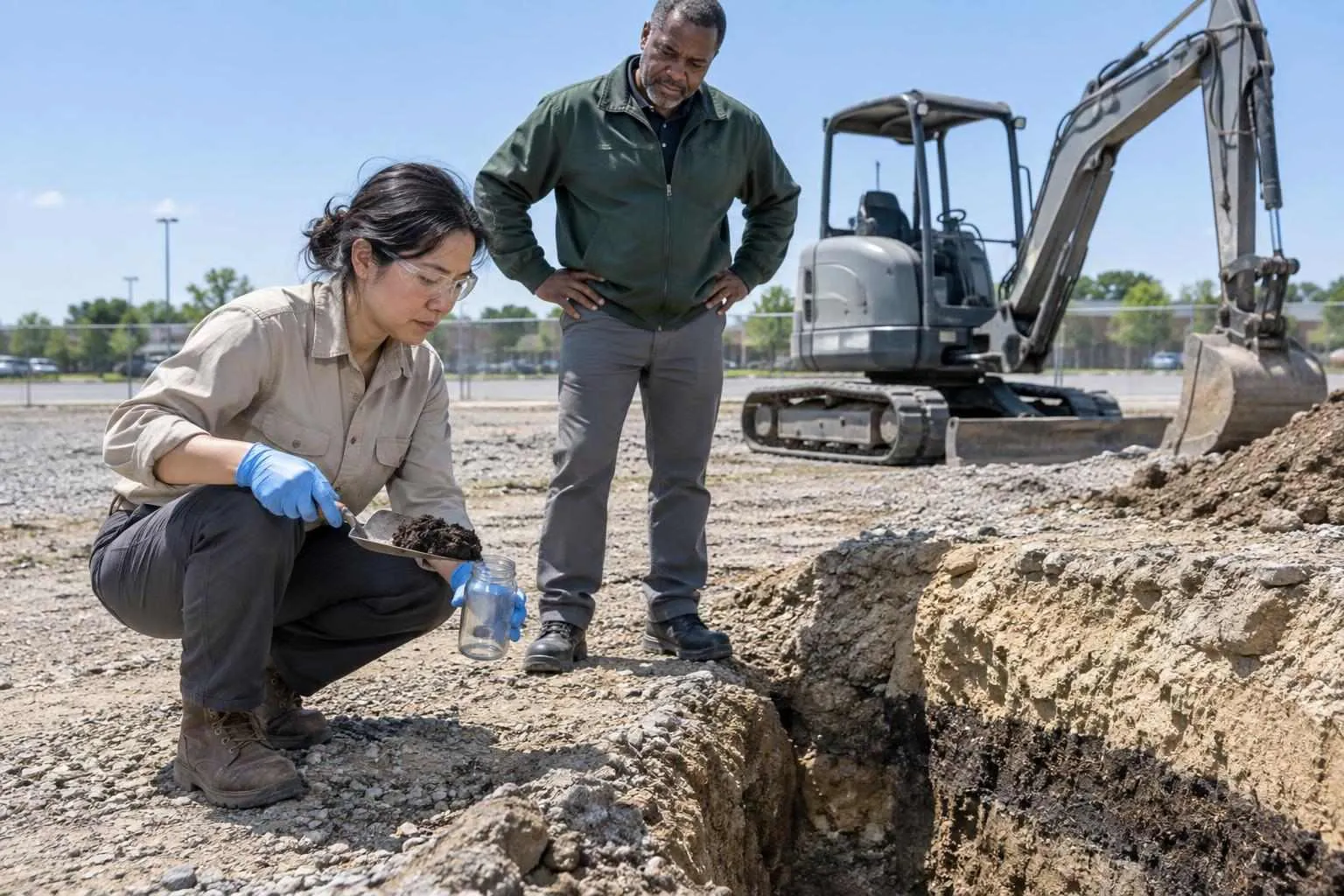
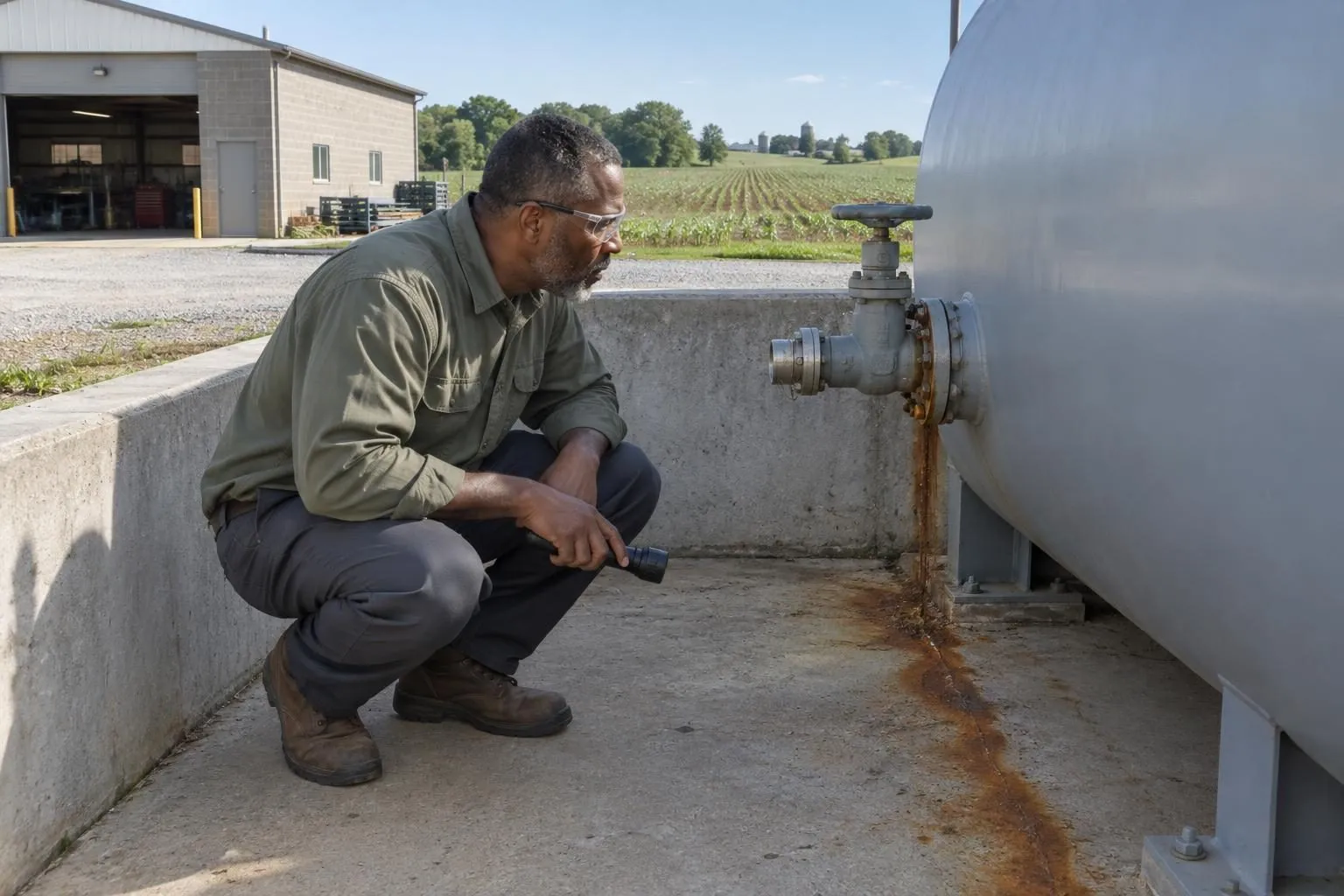
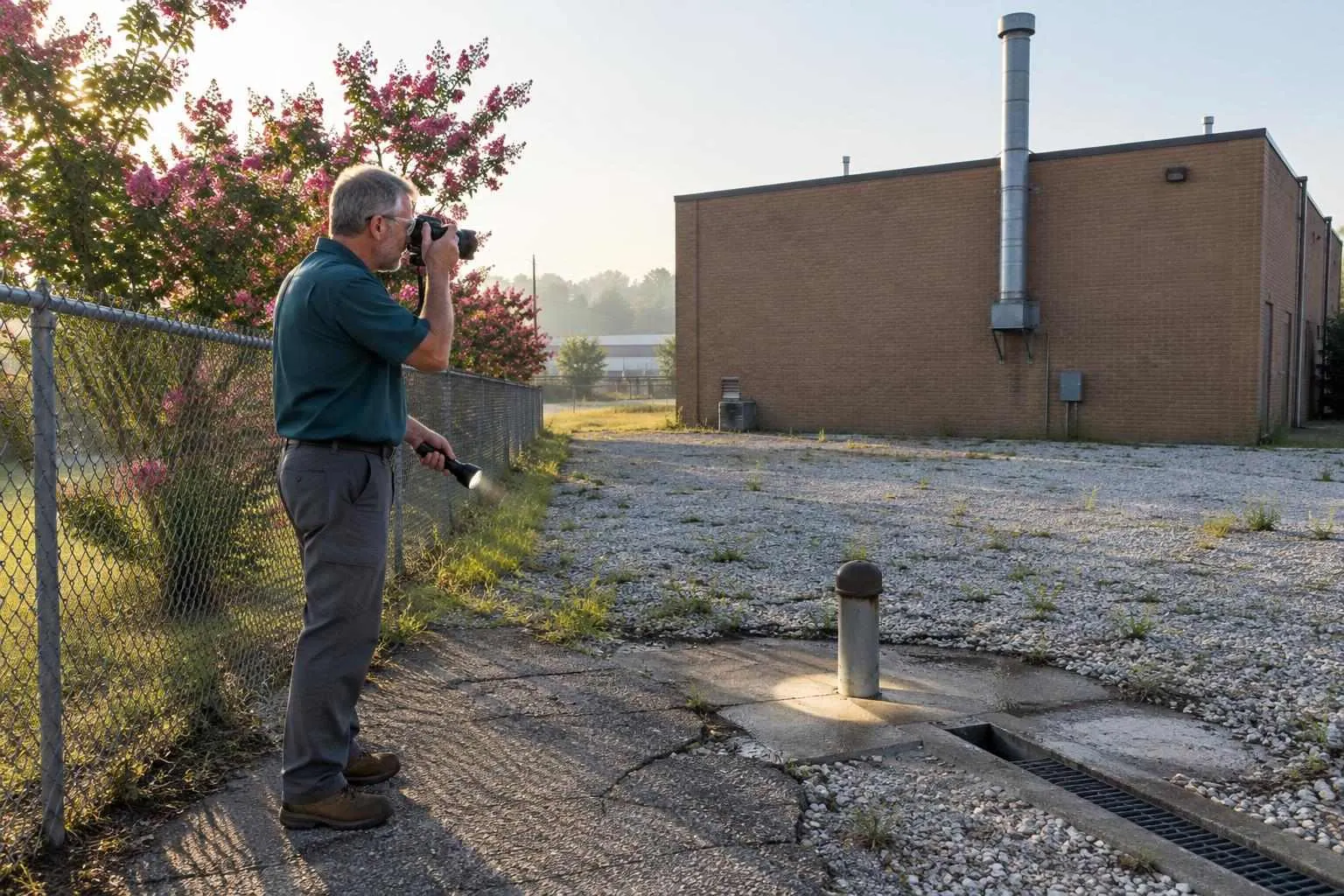
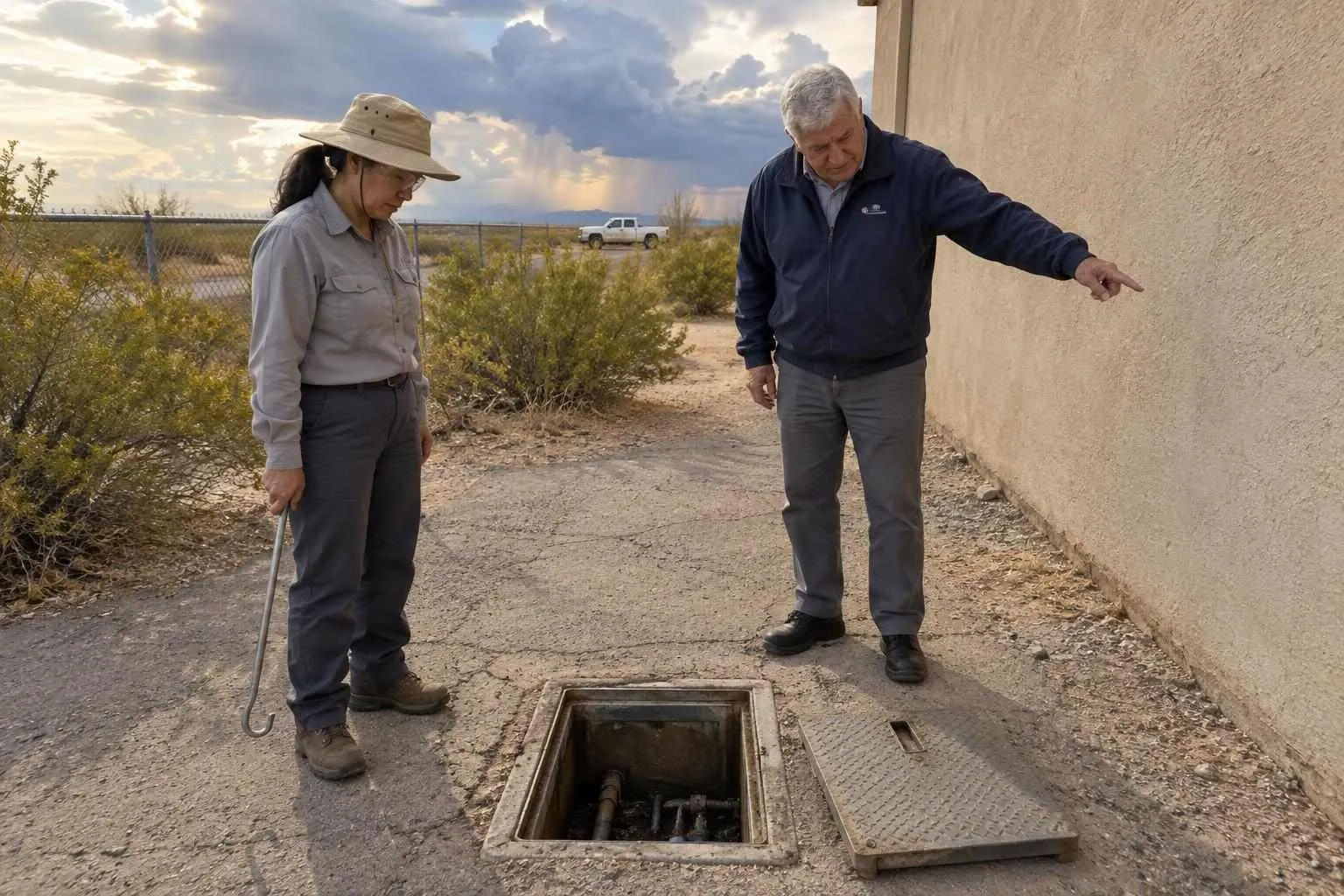
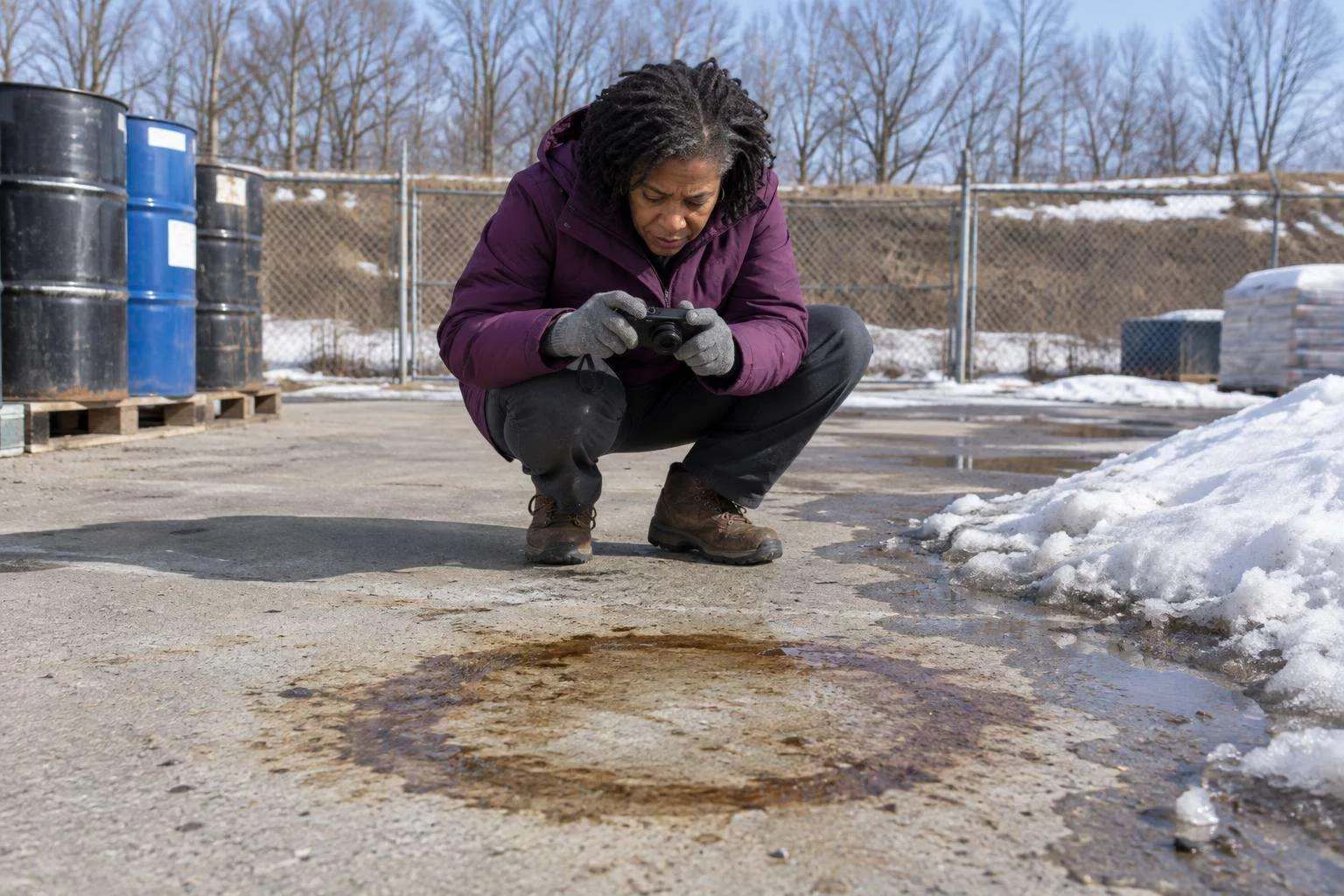
Cold-weather states (Upper Midwest, Northeast, Mountain). Winter slows site access and reconnaissance, which pushes more activity into spring. Snow cover can hide the surface features an Environmental Professional needs to see (stains, stressed vegetation, drains, stored containers). If you’re buying in Cleveland, Boston, or the Mountain states, expect a late winter-to-spring bunching of fieldwork. Ask the consultant now whether a site visit is feasible under snow. See the Cleveland and Boston pages for providers in those markets.
Warm-climate states (Florida, Texas, the Southeast). Weather matters less, so winter doesn’t block fieldwork the way it does up north. Spring deal volume still rises, though, and that still affects consultant schedules. Local turnaround varies widely. Some metro-area firms advertise 1-week service, others 2-3 weeks.
Mountain and Southwest metros. Albuquerque shows how local the market is: one provider quotes standard commercial work at $2,100 and up, and another starts at $2,500 plus New Mexico gross receipts tax. Check the Albuquerque listings and get more than one quote.
Build Your Schedule Backward
Start from the closing date and subtract.
- Closing date minus 180 days: the earliest your first component can be dated.
- Closing date minus about 60 days: a sensible authorization date. That leaves 2-4 weeks for delivery plus time for review, with margin if the deal slips.
- End of diligence minus 30 days: the latest you should order. A due diligence period shorter than the report cycle plus review time is how people end up closing on an expired report.
Pro Tip: Before you sign the engagement letter, ask for the date each of the five components will be completed, and ask what happens if closing moves. A firm that knows the E1527-21 dating requirements will answer immediately. If the answer is vague, move on. Our questions to ask before hiring list covers the rest.
By the Numbers
From EnviVault directory data (full figures):
- 370 verified providers across 47 states
- Most providers: California (33), Texas (31), Florida (19)
- Professional Engineer: 69 (19%); Professional Geologist: 60 (16%); CHMM: 14 (4%)
- Average public rating: 4.43
- Average years in business, where published: 36.4
Texas and Florida both rank near the top of the list, so reader-facing capacity is deepest in two of the warm-climate states above. Even so, ask for a firm start date.
Practical Bottom Line
- Pick your closing date and subtract 180 days. That is your earliest safe start.
- Authorize the Phase I about 60 days before closing, with at least a 30-day buffer inside diligence.
- Get dates in writing for all five components, and ask what a closing delay does to viability.
- Get two or three quotes. Budget $2,200-$5,000 for a standard commercial site, more for industrial or brownfield work. The cheapest bid isn’t automatically the best one; see Are Cheap Environmental Consultants Worth It?.
- Confirm the report follows ASTM E1527-21. Whether you need a Phase II on top is a separate question, covered in Environmental Consultant vs. Phase I ESA.
For the full picture of how this fits into hiring, start with The Complete Guide to Environmental Consultants.
Order late and you pay rush rates. Order too early and you pay twice. Order on the calendar above and the report is valid on closing day.
Done reading? Get quotes from environmental consultants near you.
Takes about a minute. Free, no obligation; providers reply to you directly.
Popular cities:
Nick built this directory to help developers and lenders find credentialed environmental consultants without wading through firms that also perform remediation — a conflict of interest he encountered firsthand while navigating due diligence on a commercial acquisition.